AAMI ST108 vs. AAMI ST79: What’s the Difference?

Healthcare facilities follow stringent standards to ensure their reusable medical devices are safely cleaned, processed, sterilized, and maintained. Among these standards that Sterile Processing Departments (SPDs) use for medical device processing are ANSI/AAMI ST108 and ANSI/AAMI ST79.
AAMI ST108 focuses specifically on water quality for medical device processing, while AAMI ST79 provides broader guidance for steam sterilization and sterility assurance in healthcare facilities.
Understanding how these standards differ can help teams build more effective medical device reprocessing programs.
What Is AAMI ST108?
ANSI/AAMI ST108:2023 – Water for the processing of medical devices is an official industry standard that focuses on the quality of water used throughout medical device reprocessing.
Water is used in multiple stages of the reprocessing cycle, from initial cleaning and rinsing to final rinses and steam sterilization. AAMI ST108 establishes a framework for determining the appropriate quality of water for specific applications, including:
- • Utility water
- • Critical water
- • Steam
- • Water treatment systems
- • Water storage and distribution
- • Microbial and chemical water quality
- • Water quality monitoring
- • Bacterial control
- • Testing and quality-control procedures
Rather than inefficiently using critical water for all applications, ST108 helps healthcare organizations determine the most appropriate water quality level for each application. This guides SPDs when monitoring microbial and chemical characteristics that could affect medical devices, equipment, or reprocessing outcomes.
What Is AAMI ST79?
ANSI/AAMI ST79:2017 – Comprehensive guide to steam sterilization and sterility assurance in health care facilities is a much broader resource for SPDs. While ST108 focuses on water, ST79 addresses the broader steam sterilization process.
Its guidance covers areas associated with preparing, sterilizing, handling, and maintaining reusable medical devices and sterile products. This includes the following topics:
- • Sterilization practices
- • Equipment
- • Packaging
- • Quality assurance
- • Monitoring
- • Storage
- • Other components of a healthcare facility’s steam sterilization program
AAMI ST108 vs. ST79: Key Differences
Although both standards support safe and effective medical device processing, their primary areas of focus are different.
ST79 delves deeper into water quality, covering how healthcare facilities can safely manage steam sterilization and ensure sterility. Meanwhile, ST108 covers the larger steam sterilization environment where water may be used.
| AAMI ST108 | AAMI ST79 | |
| Primary Focus | Water quality for medical device processing | Steam sterilization and sterility assurance |
| Primary Audience | Sterile processing, facilities, engineering, infection prevention and water-quality teams | Sterile processing, infection prevention and healthcare sterilization teams |
| Water Quality | Central focus of the standard | Considered within the broader sterilization process |
| Utility & Critical Water | Establishes water quality considerations and categories | May reference water within sterilization and processing practices |
| Steam | Addresses steam quality as it relates to water used for medical device processing | Addresses steam sterilization processes more broadly |
| Testing | Includes monitoring microbial and chemical water quality | Includes monitoring and quality assurance related to sterilization |
| Overall Scope | Specialized | Broad |
How Do AAMI ST108 and ST79 Work Together?
Both standards can be used together as part of a comprehensive medical device processing program. For example, consider a steam sterilizer.
ST79 guides the management and monitoring of the steam sterilization process. However, the quality of the water supplying the system can also affect equipment and processing outcomes.
ST108 addresses the potential for water to contain excessive minerals, microorganisms, endotoxins, or chemical impurities. These can create problems even when other elements of the sterilization process are being managed correctly.
Depending on the system and application, poor water quality can contribute to:
- • Mineral scale
- • Staining or spotting
- • Instrument corrosion
- • Residue on medical devices
- • Equipment performance problems
- • Microbial contamination
- • Biofilm development
- • Increased maintenance requirements
Thus, ST108 gives facilities a more detailed framework for monitoring this part of the reprocessing environment.
Why Is AAMI ST108 Still Needed If ST79 Is Already Used?
Water is an important element of medical device processing. However, modern healthcare facilities use increasingly complex treatment systems, equipment, and reprocessing workflows.
AAMI ST108 provides a dedicated standard specifically addressing water used in processing. Its centralized framework covers water quality selection, treatment, monitoring, storage, distribution, microbial control, and quality management.
In addition, by establishing the appropriate standards for water quality, it can help facility leaders collaborate with other departments, including:
- • Sterile Processing
- • Infection Prevention
- • Facilities and Engineering
- • Environmental Services
- • Water treatment specialists
- • Laboratory testing partners
Does ST108 Replace the Water Guidance in ST79?
No. ST108 and ST79 should be viewed as complementary standards. AAMI itself directs questions about deionized water and water for processing to both ST108 and ST79.
ST79 remains an important reference for steam sterilization and sterility assurance. Meanwhile, ST108 provides more detailed guidance on the water used.
However, in addition to these standards, healthcare facilities should also consider device manufacturers’ instructions for use, equipment requirements, organizational policies, and other applicable standards.
What Water Categories Does AAMI ST108 Address?
ST108 distinguishes the different types of water used during medical device processing.
Utility Water
Utility water is generally used in applications such as cleaning, flushing, and intermediate rinsing. While this does not undergo the same intensive treatment as critical water, it must meet certain quality standards for water hardness, minerals, chemicals, and microorganisms. These can interfere with cleaning processes or contribute to deposits that can affect devices.
Critical Water
Critical water undergoes additional treatment and is used for more sensitive processing applications, especially final-rinse applications. Because this water can represent one of the final contacts with a medical device before sterilization or use, maintaining appropriate microbial and chemical quality is particularly important.
Steam
The quality of water entering a steam-generation system can influence the resulting steam and may contribute to scaling, deposits, corrosion, or other processing concerns. Testing can help facilities verify whether these water systems continue to perform within established parameters.
Why Does Water Testing Matter for ST108?
Even facilities equipped with state-of-the-art filtration and water treatment equipment still require verification. Their water quality may change because of several factors, including:
- • Filter degradation
- • Changes in incoming municipal water
- • System maintenance
- • Stagnation
- • Biofilm formation
- • Aging infrastructure
- • Temperature changes
- • Equipment failures
- • Changes in facility demand
Laboratory testing in hospitals provides objective data that healthcare teams can use to monitor water quality and identify trends. Depending on the water category and application, testing may evaluate parameters, including:
- • Bacterial levels
- • Endotoxin
- • pH
- • Conductivity
- • Hardness
- • Alkalinity
- • Total organic carbon
- • Ionic contaminants
Testing verifies whether water treatment and distribution systems are performing as intended.
How Does Ascend Clinical Support AAMI ST108 Water Testing?
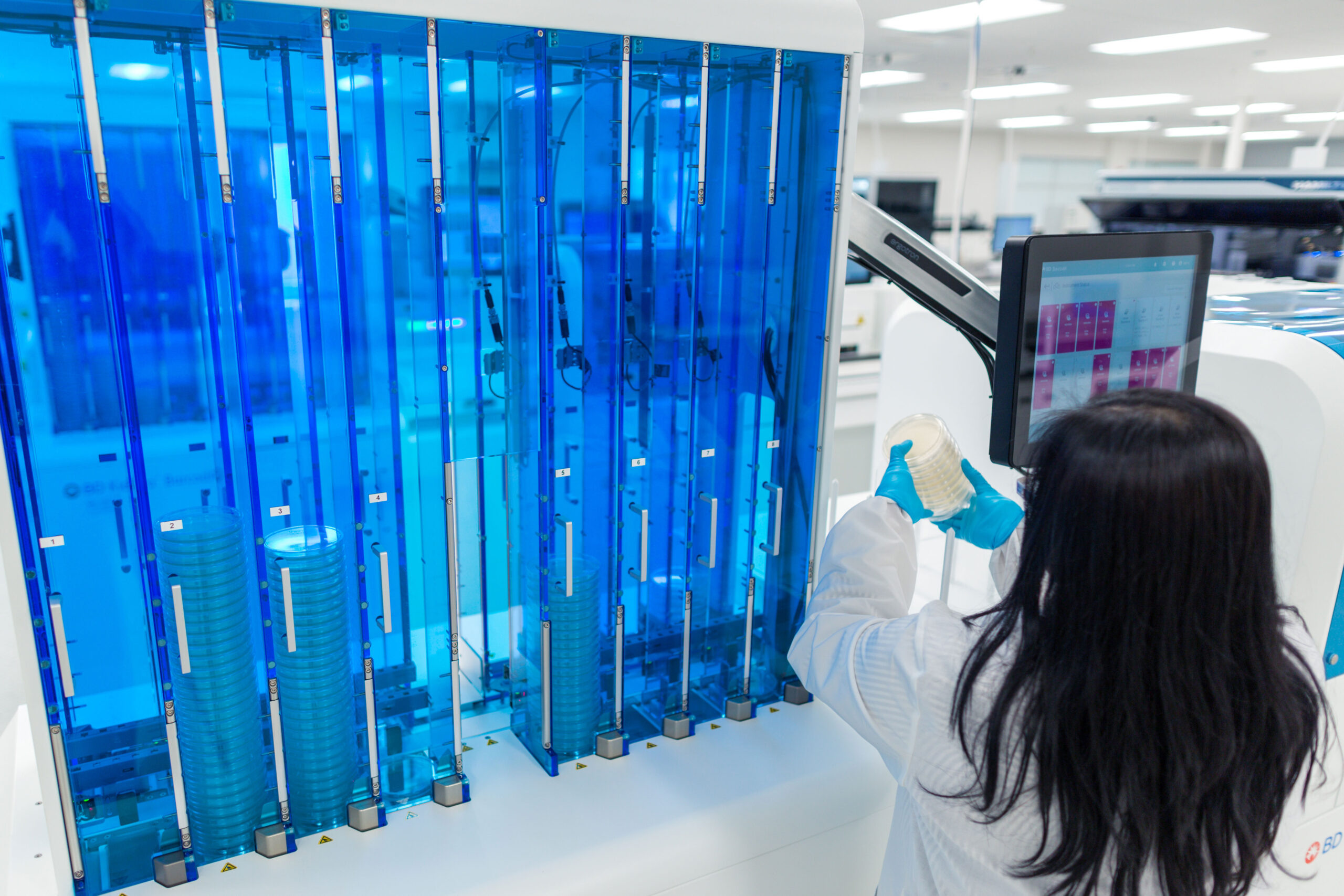
Ascend Clinical provides comprehensive AAMI ST108 water testing for healthcare organizations and SPDs. We test utility water, critical water, and steam, helping facilities evaluate the microbial and chemical quality of water used across different applications.
Our laboratory capabilities include testing for parameters for various contaminants. Results are supported by laboratory automation and microbiologist review, while our LabCheck™ platform provides healthcare teams with access to results and out-of-range notifications.
Through our independent laboratory testing, we can help facilities and organizations:
- • Monitor water-quality trends
- • Verify water-treatment system performance
- • Identify out-of-range results
- • Document routine monitoring
- • Investigate changes in water quality
- • Support corrective actions
- • Maintain quality-assurance records
Building a More Complete Sterile Processing Program
AAMI ST79 and AAMI ST108 address different aspects of creating safe and reliable medical device processing systems. You do not need to choose between them; understanding how these standards work together can help healthcare organizations identify gaps that might otherwise be missed.
Ascend Clinical provides specialized AAMI ST108 water testing and reporting to help healthcare organizations monitor these critical systems. Contact us today for more information.
Frequently Asked Questions
What is the main difference between AAMI ST108 and ST79?
AAMI ST108 focuses on water quality, while AAMI ST79 is a broader standard covering steam sterilization and sterility assurance in healthcare facilities.
Does AAMI ST108 replace AAMI ST79?
No. Both standards address different areas of medical device processing and can be used together.
Does AAMI ST79 cover water quality?
Water is relevant to the sterilization processes addressed by ST79, but ST108 provides the dedicated framework for utility water, critical water, and steam.
Who should be familiar with AAMI ST108?
Healthcare staff involved in medical device processing or water quality management can benefit from understanding ST108. This includes SPDs, Infection Prevention teams, Facilities and Engineering personnel, and water treatment professionals.
How can facilities verify compliance with AAMI ST108 water quality standards?
Routine laboratory testing can evaluate microbial and chemical parameters. Results can help healthcare facilities monitor treatment-system performance, document water quality, and support corrective actions when findings change.